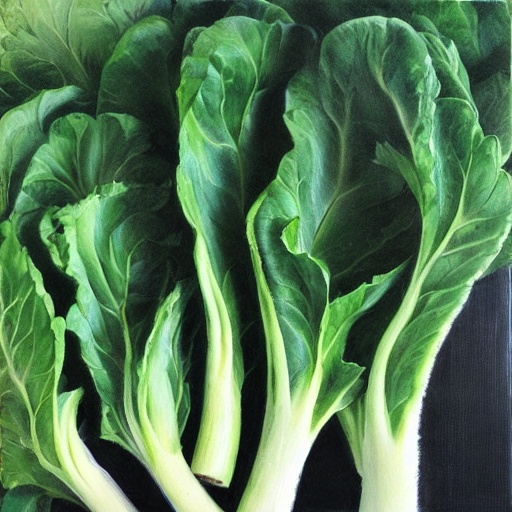
Growing pak choi in the UK in an allotment can be challenging because of the cool and damp climate. Pak choi is a cool-season crop that prefers temperatures between 10-20°C (50-68°F) and it is sensitive to frost.
Here are some tips for handling pak choi growth and the different stages:
- Planting: Sow pak choi seed directly in the soil in late spring or early summer, or start seedlings indoors and transplant them later. Space the plants around 15-20cm (6-8 inches) apart.
- Watering: Pak choi needs consistent moisture to grow well. Water the plants regularly and make sure the soil does not dry out.
- Fertilizing: Pak choi is a heavy feeder, so it is important to provide it with a balanced fertilizer. Organic fertilizers such as well-rotted manure, or fish, bone meal are good options.
- Pest and disease control: Aphids and whitefly can be a problem for pak choi. Keep an eye out for these pests and take action if necessary.
- Harvesting: Pak choi is ready for harvest when the leaves are firm and the stem is about 8-10cm (3-4 inches) tall. The leaves can be harvested as needed, but the entire plant can be harvested when it reaches full size, around 30-35 days after planting.
The best varieties of pak choi that have the best yield and size of final plant for harvest are:
- ‘Joi Choi’: A hybrid variety that has a compact growth habit, good disease resistance and is ideal for small gardens.
- ‘Hong Vit’: A Chinese variety that is slow to bolt and has a crisp, sweet-flavored stem and dark green leaves.
- ‘F1 Hybrid’: A hybrid variety that is known for its uniformity and disease resistance.
- ‘Yokatta’: A Japanese variety that is slow to bolt, with a sweet and delicate taste, the leaves are large and broad.
By following these tips and choosing the right variety, you can successfully grow pak choi in your UK allotment. Remember to keep an eye on the weather forecast, especially for frost alerts and adjust your planting schedule accordingly.
 Keel Drive Allotments