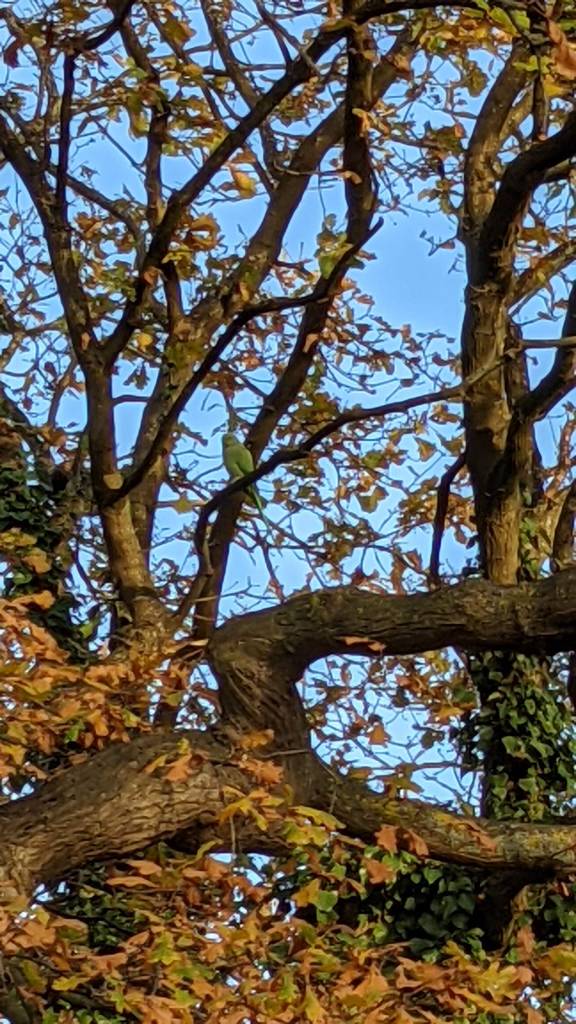
Allotments are a fantastic space to form horticulture loving communities that keep hold of green spaces and act as a safe havens for wildlife especially in urban settings. If correct steps are taken to support wildlife a balanced eco system can be created reducing both pests and diseases.
1. Reducing the use of chemicals and embracing companion planting or ‘no dig’ methods have been proven to significantly reduce pest problems and diseases simply by creating a balanced environment. Mono culture can create habitats but by its very nature also create hindrances due to a lack of diversity.
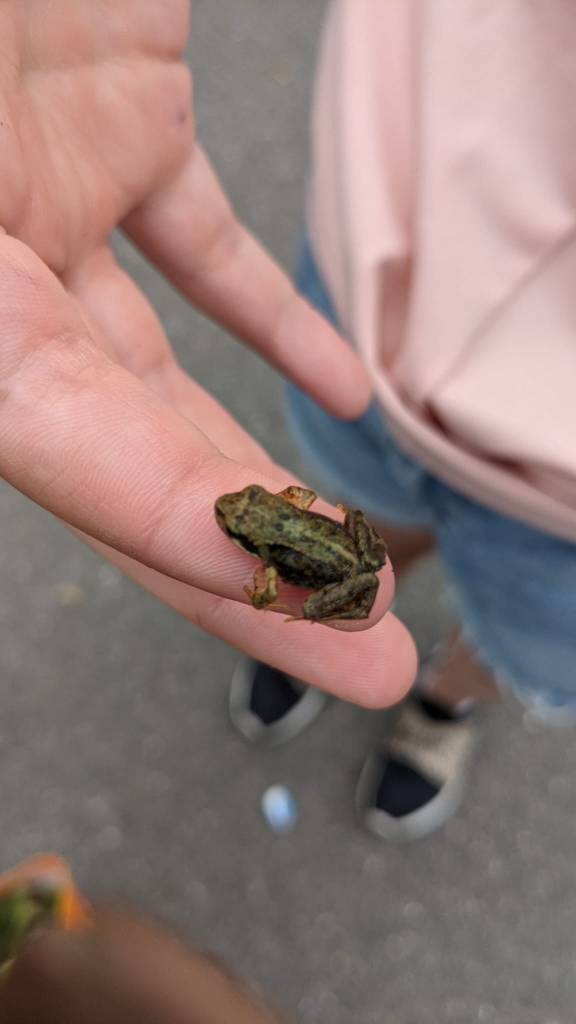
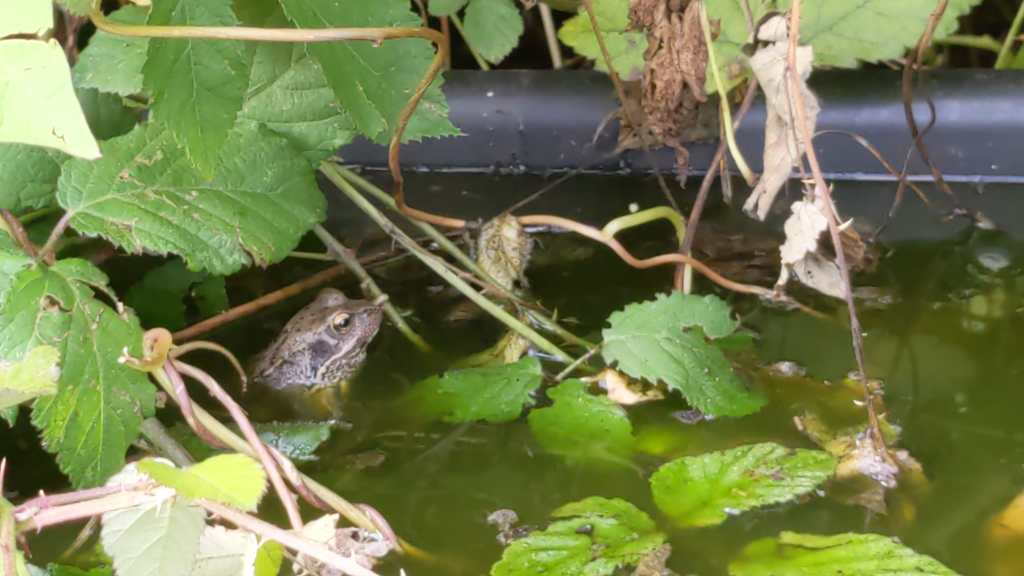
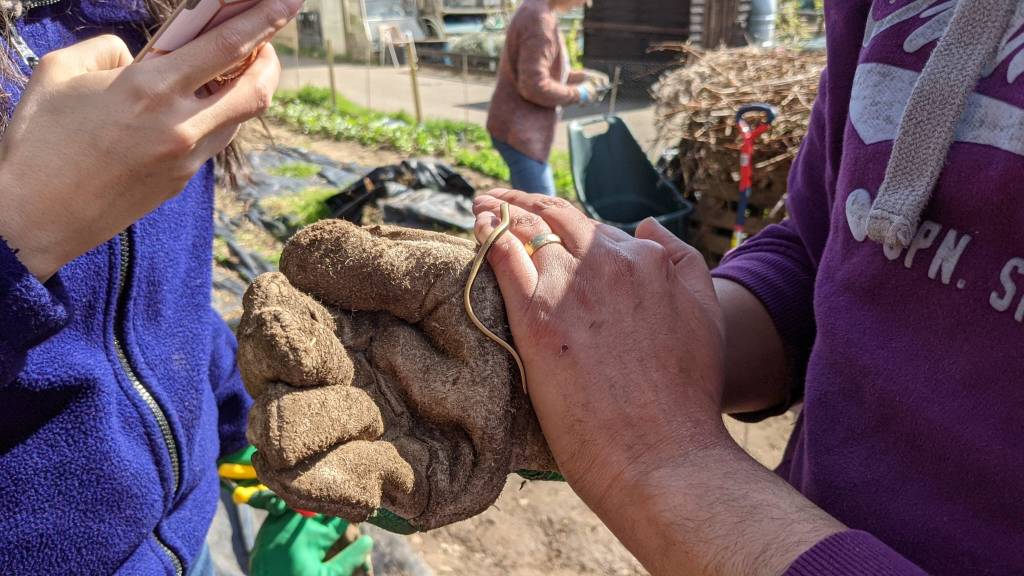
2. Creating habitats for wildlife is a way to ensure their safety whilst they carry out their duties i.e. Bee boxes, hedgehog homes, logs and stone piles, ponds, unkempt natural verges & compost heaps. Frogs who live in ponds consume slugs & aphids. Slow worms also play a major role as part of the food chain.
3. Plant early, mid and late blooming flowers for our friendly pollinators to consume nectar so can carry on their duties. This planting method also attracts other beneficial insects e.g. ladybirds
4. Make a pond for other insects and other wildlife to enjoy
5. Feed birds during winter months to help them survive.
The united efforts of all tenants and create a biodiverse habitat
 Keel Drive Allotments